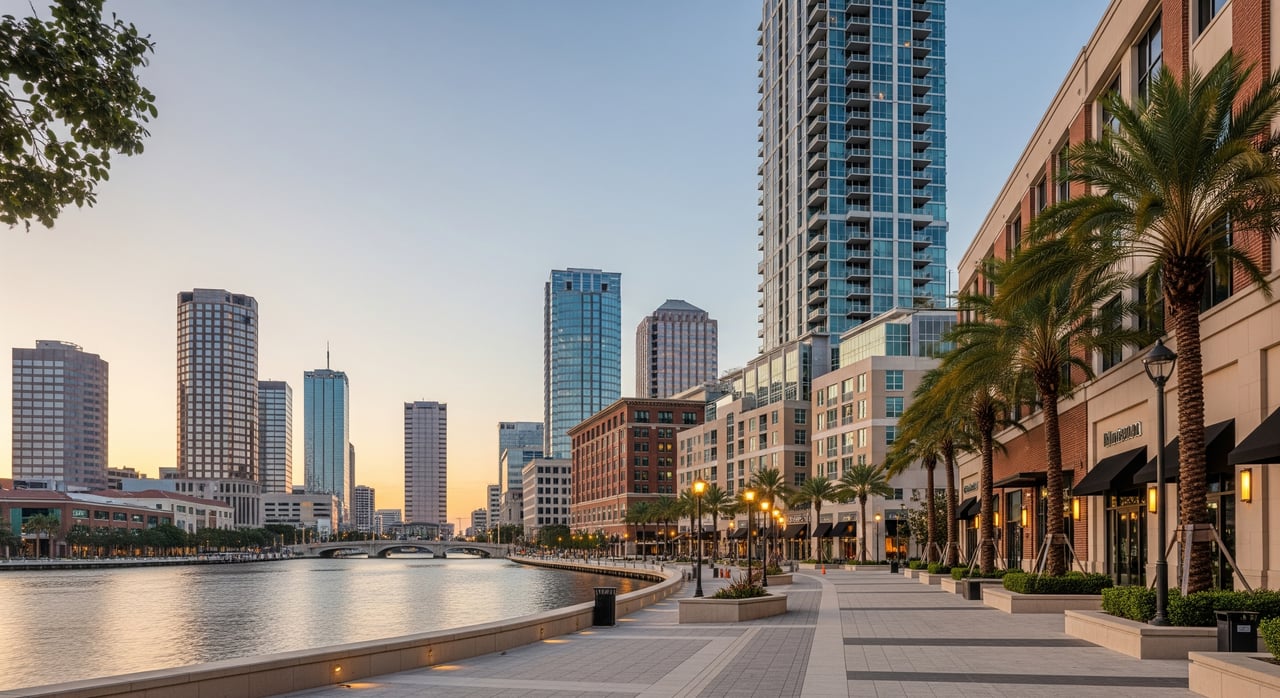
Want a downtown lifestyle that also holds its value when you sell? In Downtown Tampa, how easily you can walk to the Riverwalk, offices, entertainment, and transit can make a real difference in demand and pricing. You want convenience and energy today, and a strong exit strategy tomorrow. This guide shows you how walkability translates to resale potential for condos and townhomes, and what to look for before you buy. Let’s dive in.
Why walkability drives resale in Downtown Tampa
Walkable access to the Tampa Riverwalk, parks, restaurants, and cultural venues boosts day-to-day convenience and lifestyle appeal. Buyers often move faster and pay more for homes that support a car-light routine. These neighborhoods also tend to hold value better because the infrastructure is durable and widely used by residents and visitors. If easy access to the Riverwalk or a park is part of your daily rhythm, it will likely attract the next buyer, too.
Improved walkability usually shortens time on market. When your listing highlights minutes to the Riverwalk or major amenities, you speak directly to lifestyle-driven demand. Since these are permanent anchors rather than temporary retail, the appeal is more resilient through cycles. That resilience is a key reason walkability supports higher list-to-sale price ratios.
Riverwalk, offices, and entertainment anchors
Riverwalk and parks
The Tampa Riverwalk ties together parks, museums, dining, and open space. Living within a short walk of a Riverwalk access point can be a value signal for buyers who want a morning run, a dog walk, or an evening stroll without getting in the car. These habits turn into marketing highlights when you sell. The Riverwalk’s permanence and broad appeal help support long-term demand.
Office proximity and Water Street Tampa
Close-in office density brings weekday foot traffic that sustains ground-floor retail and dining. Proximity to major corporate offices and the growth around Water Street Tampa can lift the everyday vibrancy buyers seek. Many professionals value a short walk to work, which can translate into stronger pricing and faster mid-week appointments. Keep an eye on office occupancy trends, because prolonged vacancy can soften nearby residential demand tied to commute-driven buyers.
Entertainment venues and event energy
Anchors like Amalie Arena, Straz Center, Curtis Hixon Park, and Armature Works draw steady crowds and enrich downtown life. Being close to these venues can raise interest among buyers who prize easy nights out and weekend events. That said, some buyers will weigh noise and event traffic, so the exact distance matters. If you are very close to a major venue, highlight building soundproofing, parking access, and orientation to reduce perceived trade-offs.
Transit access and car-light living
Access to the TECO Line Streetcar, HART bus routes, and regional connections broadens your buyer pool. Younger buyers and many empty-nesters increasingly look for reliable options beyond daily car use. Homes near multiple high-frequency routes or the streetcar often command premiums over homes with limited service. Transit also expands rental demand, which can matter for investors evaluating exit strategies.
Condos vs. townhomes: resale differences downtown
Condos: lifestyle, amenities, and HOA factors
Downtown condos usually sit closest to the core activity nodes and transit. Smaller footprints and shared amenities can widen buyer appeal at a lower entry price compared with larger urban homes. In strong markets, the renter and investor base can help condos resell quickly. Still, outcomes depend heavily on HOA health, reserve funding, insurance coverage, special assessments, and any building-level litigation.
Large pipelines of new condo towers can temporarily increase competition and slow appreciation for older buildings. When you buy a condo, your resale value will lean on building governance and financials. Smart buyers ask for reserve studies, review master insurance scope, and note any pending or recent assessments. Those details can be as important as square footage or views.
Townhomes: privacy, parking, and scarcity
Urban townhomes often offer private entries, garages, and a more house-like feel. Many buyers value the control and lower perceived governance risk compared with high-rise condos. Downtown Tampa’s supply of true townhomes is limited, which can support steadier resale values when demand is healthy. The trade-off is that townhomes often price at a premium per square foot compared with entry-level condos.
Which fits your strategy
If you want closeness to the Riverwalk and transit plus amenity-driven living, a condo may match your goals. If you favor private space, parking, and fewer shared-governance variables, a townhome can be a better fit. Investors should weigh rental demand and building policies for condos against the owner-occupier focus and scarcity value of townhomes. Align your choice with your planned hold period, risk tolerance, and exit strategy.
Risk factors to price in
Flood risk and insurance costs
Downtown Tampa’s proximity to the Hillsborough River and Tampa Bay means you should review FEMA flood zone maps, elevation, and potential flood insurance needs. Higher flood exposure and premiums can reduce affordability and narrow your future buyer pool. Ground-level units or low-elevation buildings often carry more risk and slower resale. Properties with mitigation measures or higher elevations are seen as more resilient.
HOA governance, reserves, and building condition
For condos, building financial health is central to resale appeal. Low reserves, poor management, or ongoing litigation can give buyers pause and lengthen time on market. After the Surfside tragedy, buyers scrutinize structural condition and inspection history more closely. Ask for recent reserve studies, recertification updates where applicable, and a clear picture of upcoming capital projects.
Short-term rental policies and enforcement
Rules around short-term rentals change investor math quickly. City policies and building bylaws can limit or prohibit nightly rentals. If you are counting on rental income, verify current municipal rules and the specific building’s policy before assuming any revenue. These restrictions influence both purchase decisions and later resale demand among investors.
Office market health and street-level vitality
Downtown vibrancy depends partly on the daytime population. Strong office occupancy supports retailers and services that residents enjoy. If vacancy rises for an extended period, some restaurants and shops may adjust hours or close, which can dampen the lifestyle pitch. Watch local commercial brokerage updates and note how the immediate blocks around a property feel during weekdays.
How to evaluate a listing’s walkability and resale
Use a simple checklist to gather location and building metrics. Pair them with comps to build a clear pricing and resale picture.
- Walkability metrics: Walk Score, Transit Score, Bike Score for the exact address.
- Riverwalk proximity: minutes or blocks to the nearest access point.
- Parks and culture: distance to Curtis Hixon Park, Tampa Museum of Art, and Straz Center.
- Entertainment nodes: distance to Amalie Arena, Armature Works, and Channelside.
- Transit: nearest TECO Line Streetcar stop and core HART bus routes; note frequency if available.
- Office access: walking distance to major employers and Water Street Tampa.
- Building profile for condos: year built, unit count, amenity set, monthly HOA fee and what it covers, parking details.
- Financial health: latest reserve study, reserve balance if available, recent or pending special assessments, any litigation.
- Risk profile: FEMA flood zone, elevation, insurance estimates, and structural inspection history.
- Market context: new construction pipeline within a 1-mile radius and days on market for nearby walkable comps.
When you market or later resell, convert these into quick bullets buyers can scan. For example, highlight minutes to the Riverwalk, nearest streetcar stop, and key venues. Pair lifestyle benefits with cost-of-ownership clarity around HOA fees and insurance so buyers feel informed and confident.
Real-world trade-offs buyers weigh
A condo on the Riverwalk with strong amenities may command a premium and resell faster, but higher HOA fees and potential assessments can affect your net. A townhome a few blocks inland might offer a private garage and lower shared-governance risk, but it could trade off on immediate waterfront access. A residence very close to a major venue offers unbeatable convenience for events, yet some buyers may discount for noise or traffic. Your best choice depends on which benefits matter most to you and your likely resale audience.
Downtown Tampa micro-market watchlist
New supply matters. When new condo towers deliver, inventory rises and older buildings may compete on pricing or renovations. Over time, high-quality public realm improvements and leasing progress at major projects can lift the entire district’s appeal. The timing of your purchase relative to new-project deliveries can influence your resale window.
Transit upgrades and service frequency shape car-light living. If routes expand or frequency improves, homes near the network can see stronger demand. Conversely, if service is limited, the premium for transit access may be more modest. Track planned projects and how they connect to your daily routine.
Office occupancy trends remain a variable. Hybrid work is here, but the degree of office utilization will guide retail health and weekday energy. Watch quarterly reports from commercial brokers to understand how the downtown ecosystem is evolving. That context helps you position your property for resale.
A simple approach to protect resale
- Lead with location: Pick homes with clear, walkable connections to the Riverwalk, parks, and transit.
- Vet the building: For condos, insist on reserve and inspection documentation and understand insurance scope.
- Quantify trade-offs: Balance views, access, and amenities against HOA fees, assessments, and flood costs.
- Watch the pipeline: Factor in upcoming deliveries and neighborhood projects that change buyer demand.
Ready to compare properties?
If you want the energy of Downtown Tampa and a strong exit strategy, take a focused, data-forward approach. We will quantify walkability, verify building health, and model likely resale paths for condos and townhomes that fit your goals. When you are ready to tour, you will know exactly what to prioritize and why. To get started, connect with Phillip Ochoa for a quick plan tailored to your timeline and budget.
FAQs
Will being close to the Riverwalk increase resale price in Downtown Tampa?
- Proximity to the Riverwalk is a durable lifestyle amenity that usually boosts buyer interest and can support higher prices and faster sales, especially among lifestyle-driven buyers.
Are condos or townhomes the better investment in Downtown Tampa?
- It depends on your goals: condos offer lower entry points and strong rental demand but carry HOA and new-supply risks, while townhomes are scarcer, often attract owner-occupiers, and may show steadier resale.
How important is transit access for resale potential downtown?
- Transit access broadens your buyer and renter pool, and homes near reliable streetcar or multiple bus lines often command premiums over less-connected locations.
Should I worry about flood risk for a downtown property?
- Yes; flood zone, elevation, and insurance costs can impact affordability and narrow future buyer pools, so review FEMA maps and factor premiums into your total cost of ownership.
Do downtown office vacancy trends affect condo and townhome demand?
- They can; stronger office occupancy supports retail and weekday energy, while prolonged vacancy may reduce nearby lifestyle amenities that drive urban buyer demand.
What condo building red flags can hurt resale?
- Low reserves, special assessments, pending litigation, inadequate insurance coverage, poor management, and visible deferred maintenance are common issues to investigate.
How do I quantify walkability for a listing or purchase?
- Provide Walk Score and Transit Score, list minutes to Riverwalk and major venues, identify the nearest streetcar stop and key HART routes, and include concise, measurable distances buyers can verify.