If you picture Tampa living as all driveways and long commutes, downtown high-rise life may surprise you. Living in a tower in Downtown Tampa can feel more like stepping into a walkable, waterfront routine where restaurants, parks, events, and daily errands are part of your neighborhood. If you are wondering whether that tradeoff is worth it, this guide will help you understand what daily life, convenience, and expectations really look like. Let’s dive in.
Downtown Tampa Feels Urban and Waterfront
Downtown Tampa sits at the center of the city’s waterfront core, and the City of Tampa describes it as a place shaped by nightlife, entertainment, parks, and the waterfront. In one day, you can move between cultural destinations, sporting events, restaurants, and public spaces without leaving the district. That mix is a big reason high-rise living here feels different from many other Tampa neighborhoods.
A major part of that experience is Water Street Tampa, a newer mixed-use district on the downtown waterfront. It was planned around residences, hotels, shops, restaurants, offices, and public spaces, with more than 2,000 residents already living there. At full buildout, the district is expected to include about 3,500 condominiums and apartments, which gives you a sense of how much downtown living is growing.
Daily Life Is More Walk-and-Go
One of the biggest lifestyle shifts in a Downtown Tampa high-rise is how often you can leave the car parked. In some parts of downtown, especially near Water Street, daily life can feel more like walking downstairs and heading out on foot than driving across town for every errand. That convenience is a major draw for buyers who want a lower-maintenance, more connected routine.
Water Street’s Publix is located at street level inside Heron, which makes grocery runs much easier for nearby residents. The area also features Pours and The Market, a venue with more than 60 booths offering local produce, food, and handmade goods. Instead of planning every outing around a parking lot, you may find yourself building simple neighborhood habits.
The Tampa Riverwalk also adds to that day-to-day convenience. It is more than a scenic path because it connects parks, museums, and major destinations such as the Florida Aquarium, Sparkman Wharf, Armature Works, the Straz Center, Tampa Theatre, and Benchmark International Arena. If you enjoy being able to go for a walk and actually arrive somewhere useful or fun, this part of downtown delivers that experience.
Transit Can Be Part of Your Routine
Downtown high-rise living works best when you are comfortable mixing walking with transit and occasional driving. The TECO Line Streetcar is a free 2.7-mile electric line with 11 accessible stations, and it runs every 15 minutes. It connects Downtown Tampa, the Channel District, and Ybor City, which gives you an easy option for dinners, events, and casual outings.
You also have access to HART buses through the Marion Transit Center and Pirate Water Taxi service with 14 stops along the Riverwalk, harbor, and Davis Islands areas. Rideshare is another practical option for getting around without moving your car. For many residents, that means downtown life feels flexible rather than car-dependent.
That said, many high-rise residents still keep a car for regional trips, work commutes outside downtown, or regular errands in other parts of Tampa Bay. The difference is that your car may become something you use when needed, not something you rely on for every part of your day.
High-Rise Amenities Can Replace Yard Space
A big reason buyers choose a Downtown Tampa tower is the lifestyle inside the building. Recent Water Street residences are designed around polished shared spaces, wellness-focused amenities, and modern finishes. Depending on the building, that can mean a very different version of homeownership than what you would get in a detached house.
The developer highlights features such as biophilic design, healthy air and water quality, and communal amenity areas. Asher includes curated shared amenity spaces and a resort-style deck on the seventh floor. Cora is a 23-story building with skyline views, and The Residences at The Tampa EDITION places 38 residences above a five-star hotel.
In practical terms, many buyers are exchanging private yard space and extra storage for views, shared amenities, and less exterior upkeep. If you value a lock-and-leave lifestyle, that can be a strong advantage. If you want a garage workshop, oversized storage, or a backyard gathering space, the adjustment may feel more significant.
The Views and Access Are a Real Perk
For many people, the biggest payoff of downtown tower living is access. You are close to the waterfront, parks, restaurants, entertainment, and public spaces that make Tampa feel active and current. Instead of planning for occasional downtown outings, downtown becomes your everyday backdrop.
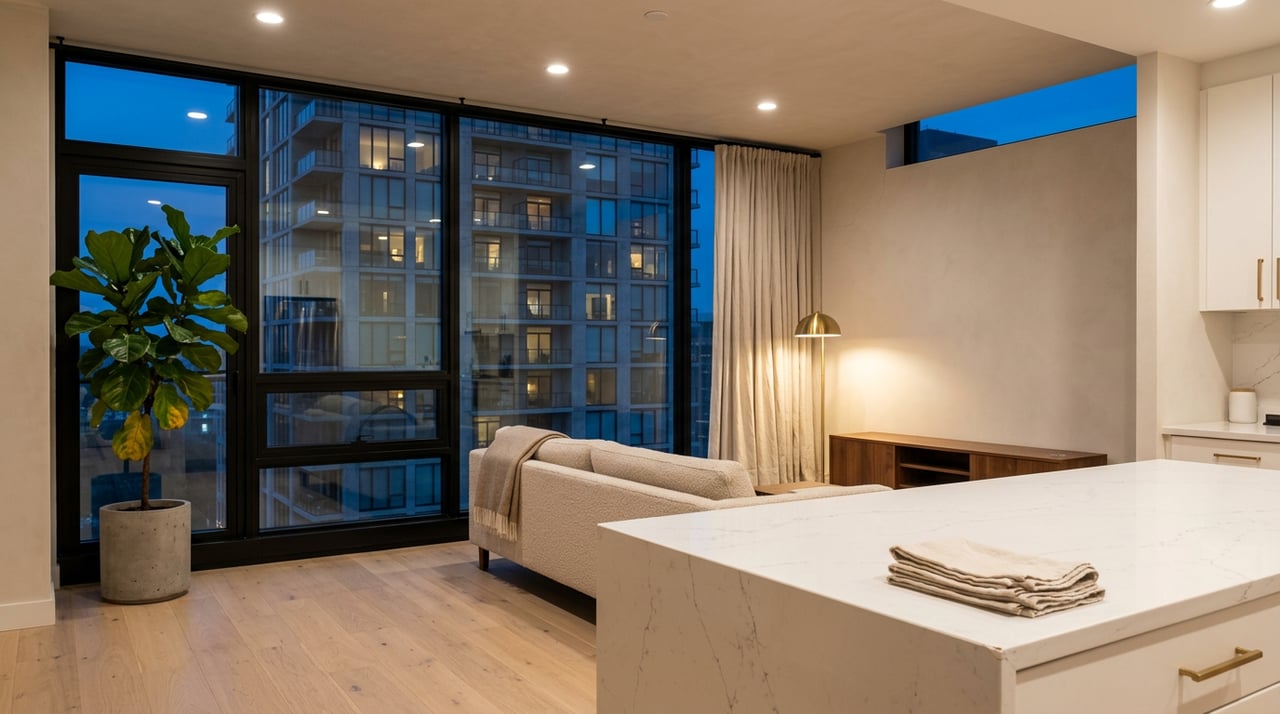
Views are often part of that appeal too. Depending on the building and unit, you may have skyline views, water views, or a perspective over the city that you simply cannot get in most single-family neighborhoods. For buyers looking at condos or second homes, that can be a meaningful part of the value.
This is especially true for people who want a home base that feels easy to maintain. You may give up square footage or private outdoor space, but you gain convenience and proximity that can change how you use your time.
Downtown Living Comes With Tradeoffs
As appealing as the lifestyle can be, high-rise living is not just a highlight reel. Downtown Tampa is intentionally dense and mixed use, and that means the usual urban tradeoffs come with it. You should expect less private outdoor space, more shared walls, and greater reliance on building management and association rules.
Parking is another lifestyle factor to think through carefully. Water Street maintains parking information, and the broader downtown transportation network offers several options, but parking is still something you plan around. This is not the same experience as pulling into a private driveway at the end of the day.
The broader downtown core is also still evolving. The Tampa Downtown Partnership notes that downtown continues working to secure convenient grocery stores, drugstores, retail boutiques, cafes, restaurants, and culturally oriented uses. In other words, some pockets already feel highly convenient, while other parts of downtown are still maturing.
Noise and Crowds Are Part of the Setting
If you are moving from a quieter residential area, this is one of the biggest mindset shifts. Downtown Tampa is lively by design, and the city actively promotes its nightlife and entertainment scene. That energy is part of the appeal, but it also means your environment may feel busier than what you are used to.
Benchmark International Arena alone hosts more than 2,000 events and more than 2 million guests per year, according to the Tampa Downtown Partnership. On event nights, weekends, and festival periods, it is reasonable to expect more traffic, more pedestrians, and more activity. If your building is close to key entertainment areas, you will likely notice that rhythm.
For some buyers, that buzz is exactly the point. For others, it can feel like a drawback after the novelty wears off. The key is knowing which side of that equation fits your lifestyle before you buy.
Weather Preparedness Matters Downtown
Living near the waterfront in Tampa comes with an annual preparedness mindset. The City of Tampa advises residents to sign up for Alert Tampa, understand the difference between evacuation zones and flood zones, and keep a disaster supply kit with at least 72 hours of food, water, and supplies. That guidance is relevant for downtown residents just as it is for the rest of the city.
This does not mean downtown high-rise living is inherently unsafe. It means coastal-city convenience comes with responsibilities, especially during hurricane season. If you are considering a downtown condo as a primary home or second home, preparedness should be part of your planning from day one.
Who Downtown Tampa High-Rise Living Fits Best
This lifestyle tends to work well if you value walkability, water views, event access, and a lower-maintenance home. It also makes sense if you enjoy a more urban routine where shared amenities and neighborhood convenience matter more than yard space. Many condo buyers, second-home buyers, and those looking for a lock-and-leave property find that balance appealing.
It may be a weaker fit if you want abundant storage, a quiet setting, or private outdoor space that feels separate from neighbors. Buyers used to detached homes sometimes underestimate how much shared systems, parking logistics, and building rules affect daily life. The setting can be exciting, but it is important to match the lifestyle to your habits.
If you are considering a condo or high-rise purchase in Downtown Tampa, the best move is to look beyond the photos and ask how you want your average Tuesday to feel. That usually tells you more than the rooftop pool ever will.
If you want help comparing Downtown Tampa towers, condo lifestyles, or the right fit for your goals, Phillip Ochoa can help you evaluate your options with clear local insight and a practical approach.
FAQs
What is daily life like in a Downtown Tampa high-rise?
- Daily life often centers on walking to nearby groceries, restaurants, parks, and entertainment, with transit and rideshare helping fill the gaps.
Is Downtown Tampa high-rise living walkable?
- In many parts of downtown, especially near Water Street and the Riverwalk, you can handle a meaningful share of errands and outings on foot.
What are the tradeoffs of living in a Downtown Tampa condo tower?
- Common tradeoffs include less private outdoor space, less storage, more shared walls, parking planning, and dependence on building management and association rules.
Is Downtown Tampa noisy at night?
- It can be, especially near entertainment venues and during event nights, weekends, and festival periods when traffic and pedestrian activity increase.
Do you still need a car living in Downtown Tampa?
- Many residents still keep a car for regional travel and errands outside downtown, but some daily activities can be handled by walking, streetcar, transit, water taxi, or rideshare.
Who is a good fit for Downtown Tampa high-rise living?
- This lifestyle often fits buyers who want walkability, views, amenities, and a lower-maintenance home base more than a private yard and quieter surroundings.