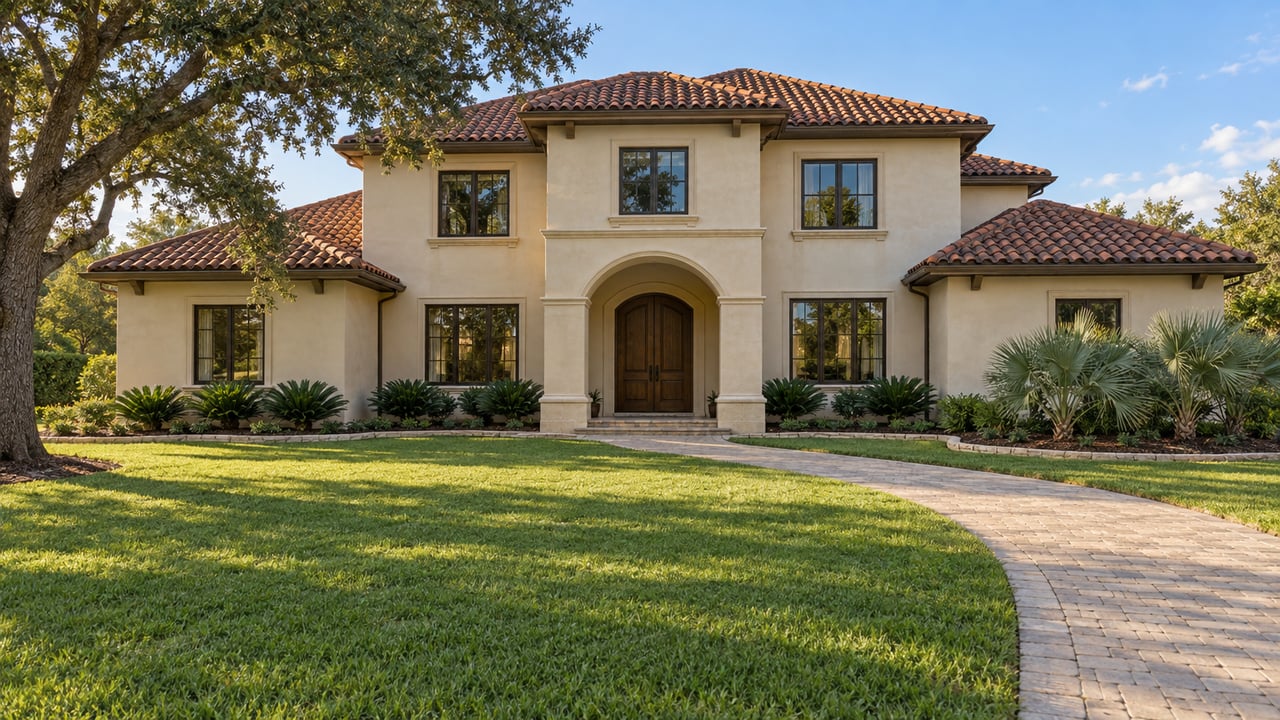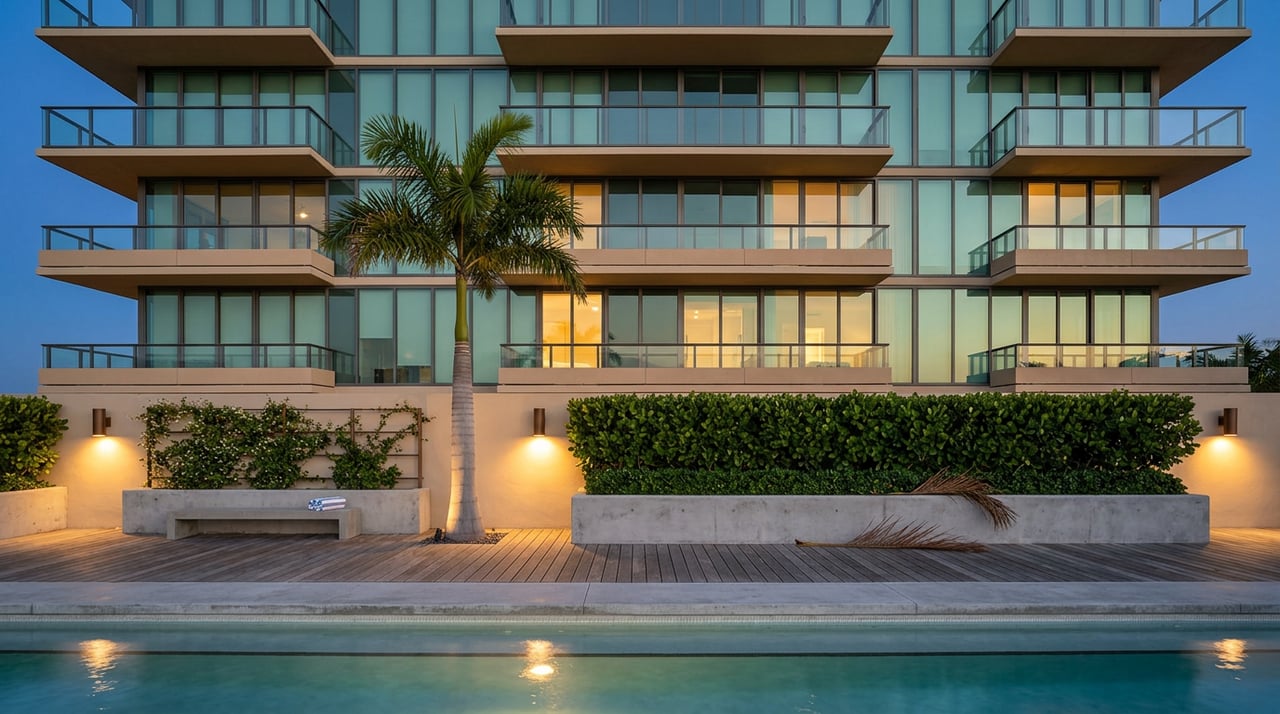
According to the Business Observer, crews on the Riverwalk are set to mark the October 9 topping-off of Pendry Tampa & Pendry Residences, the 38-story hotel and condo tower. The residential portion is 75 percent sold, with roughly $385 million in condo sales on the books and unit pricing starting at $1.7 million. Developer Two Roads Development has been building the tower since securing $520 million in construction financing. It's the kind of milestone that gets photographed: a crane placing the last steel beam, hard hats, a skyline getting one building taller.
None of that photograph tells you what it will cost to live there.
Buyers comparing Downtown Tampa condos this fall keep anchoring on the same number: price per square foot. It's the figure every portal surfaces first, and it's the wrong place to start a comparison. Two units listed at nearly identical prices, in buildings three blocks apart, can carry monthly obligations that differ by hundreds of dollars once you add in the HOA line. That gap isn't noise. It's the actual story of how Downtown Tampa's condo market is structured, and it's the number a buyer needs before writing an offer, not after.
The bill the listing page skips
Across downtown's existing tower stock, HOA fees generally run somewhere between $0.55 and $1.25 per square foot per month, before utilities, parking supervisory charges, or amenity surcharges. Run that range against a real unit and the spread stops looking academic. A 1,400-square-foot two-bedroom at the top of that band lands close to $1,750 a month in association fees alone. The same floor plan at the bottom of the band can run less than half that.
Put two condos side by side at the same asking price, same square footage, same bedroom count, and the one with the higher HOA line is committing the buyer to a materially different carrying cost for as long as they own it. That's not a rounding error on a mortgage calculator. It's the difference between a manageable monthly number and one that changes what else the buyer can afford to do with their income.
Why the spread isn't random
The fee isn't arbitrary, and it isn't really about the building's age either. It tracks the service model.
Branded, hotel-adjacent towers like Pendry Residences carry the highest per-square-foot HOA numbers downtown because the building is fully staffed and runs a hospitality-level service contract: dedicated residential staff, private entrance and elevator bank, access to hotel amenities. Owners are paying for that staffing every month, whether or not they use the spa or the ballroom downstairs.
At the other end, established value-oriented towers in the Channel District, buildings like Towers of Channelside, spread servicing costs across a larger unit count and skip the concierge-hotel model. Their per-square-foot fee sits meaningfully lower, and that's a function of how the building operates, not a signal that anything is being skipped on maintenance.
Older, established central-core buildings sit in between. 400 North Ashley Drive, delivered in 2007 and continuously operated since, has nearly two decades of actual assessment and reserve history that a buyer can pull and read. That history is worth more than it sounds. It means the building's fee has already absorbed whatever surprises come with a building crossing 15, then 18, then 19 years of Florida humidity and coastal wind exposure. A newer tower hasn't had that stress test yet.
Same skyline, four different fee structures
Downtown Tampa isn't one condo market. It's four submarkets stacked inside a single zip code, and each one prices its HOA differently for a reason tied to what the building actually is.
| Submarket | Example buildings | Typical HOA band | What's driving the number |
|---|---|---|---|
| Central Downtown / Riverwalk | 400 North Ashley Drive | Lower-to-mid band | Established reserve history, no hotel-style staffing |
| Channel District | Towers of Channelside, SkyHouse Channelside | Lower band | Larger unit counts spread servicing cost across more owners |
| Harbour Island | The Plaza Harbour Island | Mid band | Guard-gated island infrastructure and aging mechanical systems |
| Water Street | Pendry Residences Tampa, ONE Tampa | Top band | Hotel-level staffing and brand service contracts |
The building names matter more than the neighborhood label here. A buyer who says "I want a downtown condo" is really choosing between four different cost structures, and generic downtown comps won't surface that difference. Building-level analysis will.
The reserve question hiding under the fee
Florida's post-Surfside reserve law applies to a condo association, and milestone inspections can affect a building's costs.
That's why 400 North Ashley Drive's fee history is genuinely useful information: at nearly two decades old, the building has already been through cycles of board decisions about envelope work, garage restoration, and mechanical replacement, and those decisions are sitting in board minutes.
A tower like ONE Tampa or Pendry Residences is newer. Its HOA fee today reflects a brand-new building with brand-new systems and a staffing model the developer designed. That fee could look attractive on day one and still change meaningfully over time. A low fee on a new tower isn't a lower long-term cost. It's an unwritten one.
What to actually request before writing an offer
Price per square foot tells a buyer what they're paying at closing. It tells them almost nothing about what they'll be paying every month for the next ten years. Before that offer goes in, ask for:
- The full HOA budget and the current reserve study, not just the monthly fee quoted on the listing sheet
- Two years of board meeting minutes, since pending special assessments typically surface there three to six months before they show up on a bill
- Confirmation of the building's milestone inspection status
- A comp set pulled from the same building or submarket, since building type moves price more than neighborhood does in this market
Two questions worth asking before you tour
Does a newer building always mean a lower monthly fee? Not necessarily. A brand-new, fully staffed, hotel-branded tower can carry a higher HOA than a well-run older building precisely because of the service model, not the building's condition.
Is a high HOA fee a warning sign? On its own, no. The question isn't how big the number is. It's what the number is actually funding: staffing and amenities, or structural reserves that protect the building's long-term health. Both are reasonable reasons for a fee to be high. Only one of them is optional.
Downtown Tampa's skyline keeps adding towers, and each one arrives with its own cost structure built into the HOA line rather than the sale price. If you're comparing buildings and want someone to read the reserve study and board minutes with you before you size an offer, Phillip Ochoa works this market building by building, not by median. Schedule a consultation and bring the listings you're weighing.
This article is general information, not legal, tax or financial advice. Consult a qualified professional about your situation.