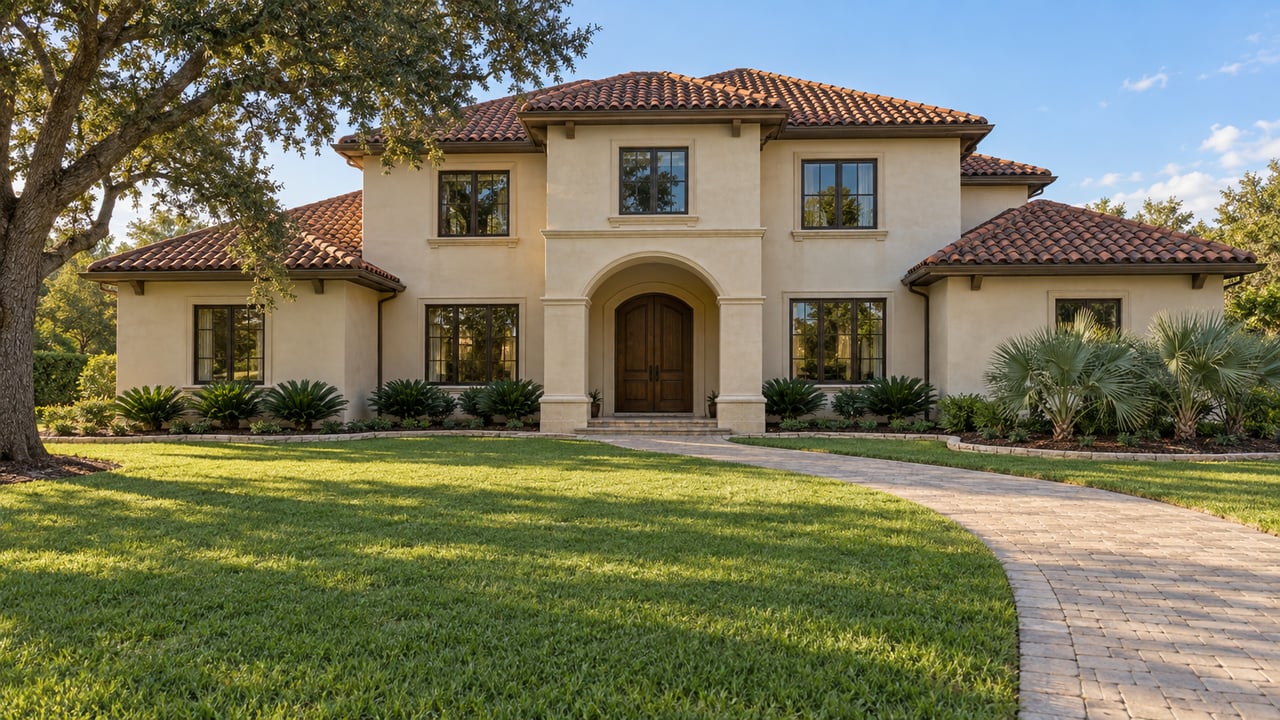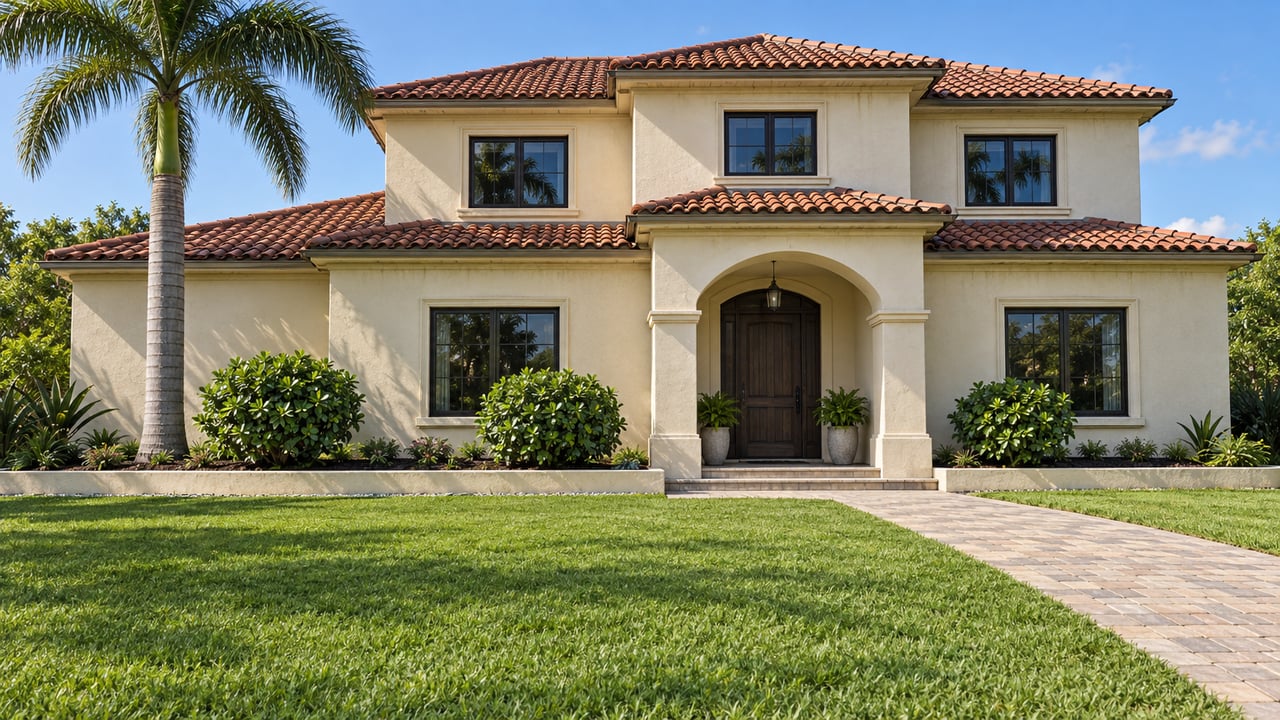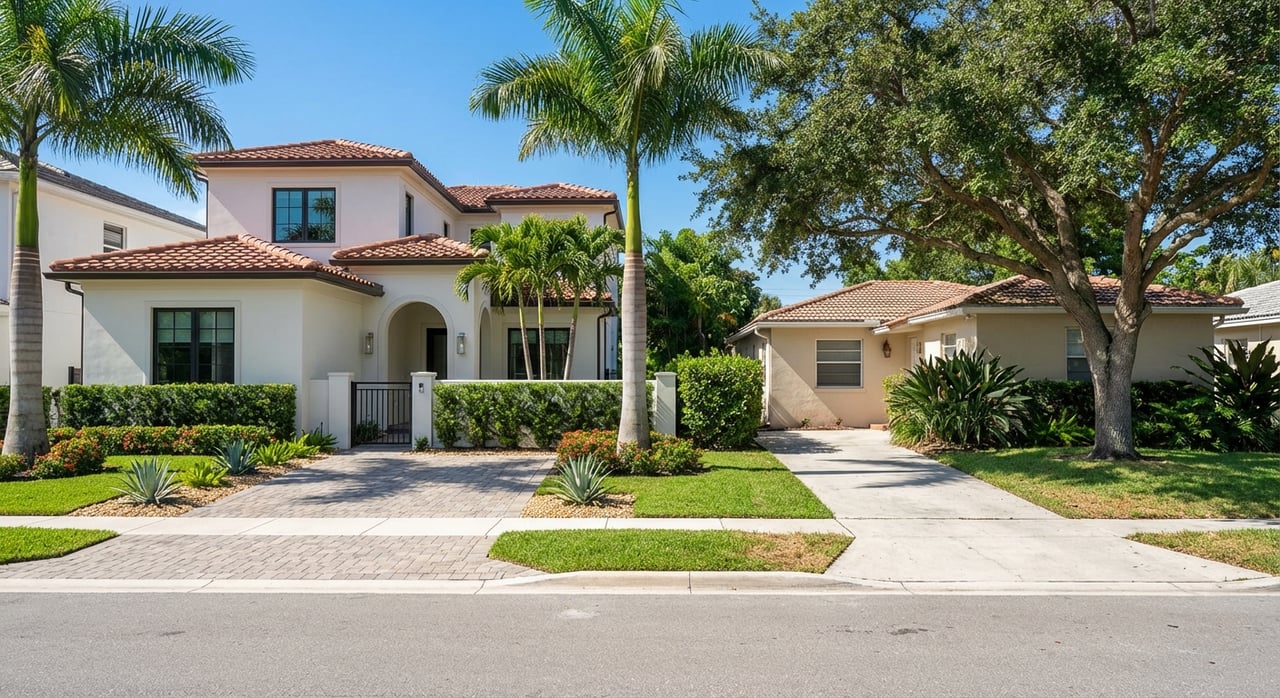
Is a brand-new build worth the premium in South Tampa, or will a well-kept resale give you more value right now? If you are weighing neighborhood fit, timelines, and long-term costs, the decision can feel overwhelming. In this guide, you will get a clear breakdown of what changes when you choose new construction versus resale in South Tampa, plus a practical checklist to compare homes side by side. Let’s dive in.
South Tampa snapshot
South Tampa is a premium, built-out peninsula with in-demand neighborhoods and limited vacant land. Pockets like Hyde Park, Davis Islands, Palma Ceia, Beach Park, and Bayshore Beautiful often command higher prices relative to the city. Location, lot size, and any waterfront or canal access are major drivers of value here. For context on boundaries and area history, see the overview of South Tampa.
Key differences to consider
Pricing and appraisal
New homes often carry a premium for modern layouts, high-end finishes, and lower near-term maintenance. In a built-out area like South Tampa, a large share of what you pay is the lot, not just the structure. That means a renovated historic bungalow and a new spec home on the same street may appraise differently over time. The most reliable way to value a specific property is to compare recent closed sales on the same block.
Layouts, systems, and efficiency
New builds usually deliver open floor plans, contemporary kitchens and baths, larger closets, and updated electrical and HVAC. Many include better insulation, efficient windows, and right-sized systems that reduce energy use. National building research shows that new-home practices aligned with ENERGY STAR can produce measurable utility savings over time, especially in hot-humid climates like Tampa Bay. For background on why construction practices matter, see this overview from the National Academies.
Warranty vs early maintenance
Most builders offer a structured warranty, often referred to as 1 year for workmanship, 2 years for systems, and 10 years for structural items. Coverage varies, so read the terms and dispute process in the builder’s documents. You can review typical coverage models through providers like 2-10 Home Buyers Warranty. With resale homes, plan for aging roofs, HVAC, water heaters, and appliances. Many homeowner guides suggest saving roughly 1 to 4 percent of the home’s value per year for maintenance and replacements, leaning lower for new builds and higher for older homes. For common lifespan ranges, see this practical overview of home maintenance costs and component lifecycles.
Insurance, flood, and permitting
Florida product approvals and the Florida Building Code influence windows, doors, and roofing choices in new builds, which can improve wind resistance and affect insurance underwriting. Tampa is not in the High-Velocity Hurricane Zone, but local wind and debris rules still apply. For a primer on code and product approvals, see this guide to Florida Product Approval and design standards.
Flood risk varies by street. Many addresses near Bayshore, Davis Islands, canal-front areas, and low-lying blocks fall in FEMA Special Flood Hazard Areas. Lenders require flood insurance when applicable, and premiums can be material for waterfront or low-elevation lots. Always check an address through the FEMA Flood Map Service Center.
Florida’s homeowners insurance market has also seen volatility, and premiums can swing based on location, construction type, and wind mitigation features. Review hurricane deductible structures and get address-level quotes early. For context on broader price trends, see Insurify’s home insurance price projections.
Financing and timelines
Resale purchases often close in 30 to 60 days, depending on inspections, appraisal, and financing. New construction adds time and financing complexity. If you are buying a home that is already under construction, your timeline could be weeks to a few months. If you are starting from plans and permits, expect 6 to 18 months in many cases. Many buyers explore construction-to-permanent options, including one-time-close loans that convert to a standard mortgage at completion. Program rules vary by lender and loan type. For a quick overview of these loan structures, see this explainer on one-time-close construction loans.
Where new homes appear
South Tampa is largely built out, so most new construction is infill. That often means one of three paths:
- Tear-down lots where an older home is replaced with a larger modern residence.
- Custom or spec homes built on enlarged or subdivided parcels within established neighborhoods.
- Mid or low-rise condos and townhomes near commercial nodes, marinas, and transit corridors.
In historic or tightly established areas like Hyde Park, Palma Ceia, Beach Park, and Davis Islands, new single-family homes are usually recent infill or a teardown-rebuild project. Townhome and condo infill is more common along the Gandy corridor and near activity centers. If you want a brand-new full-lot home in a prime pocket, plan for limited supply and lot premiums. If you want larger yards or predictable new-home pricing, consider whether nearby suburbs offer better inventory while keeping your Tampa lifestyle.
Ownership costs to budget
- Maintenance reserve: Plan on about 1 to 4 percent of home value per year as a rule of thumb for maintenance and replacements. New homes usually sit near the lower end at first, while older homes often require more. See ranges and examples in this maintenance guide.
- System lifespans: Roofs often last 15 to 30 years, central AC 12 to 20 years, water heaters 8 to 12 years, and major appliances 7 to 15 years. New construction pushes many of those costs years out.
- Insurance and flood: Factor homeowners, flood (if required), and hurricane deductibles. Get quotes before you fall in love with a property.
- HOA and condo fees: Dues vary widely across buildings and communities. Review what is included, reserves, and any special assessments.
Decision guide for your goals
Use this quick filter to narrow your path:
Choose new construction if:
- You want modern layouts, high-efficiency systems, and code-level wind mitigation.
- You value warranties and lower near-term maintenance.
- You are comfortable with a longer timeline and potential construction variables.
- You are targeting a specific style on a premium lot and are prepared for lot-driven pricing.
Choose resale if:
- You prefer mature landscaping, established block character, and faster closings.
- You want to maximize lot size or location while managing renovations over time.
- You are open to homes with historic charm where prior owners have already upgraded systems.
- You want cost certainty sooner and less construction coordination.
South Tampa buyer checklist
Use these steps to compare properties on equal terms:
- Confirm target blocks and study very recent closed comps for apples-to-apples value.
- For any new build, request the full written warranty and verify the provider. See typical 1-2-10 structures from 2-10 HBW.
- Check flood status by address and request elevation certificates for homes in AE or VE zones. Use the FEMA Flood Map Service Center.
- Get homeowners and flood insurance quotes early, including hurricane deductibles, to build a true monthly budget. Market context is outlined in Insurify’s price projections.
- For resale, document ages and service records for the roof, AC, water heater, and electrical panel. Benchmark replacement costs using this maintenance and lifespan guide.
- For new builds, confirm code compliance, Florida product approvals, and wind mitigation features. Learn what approvals mean in this Florida Product Approval guide.
- If you plan to renovate or build in a historic overlay, factor design review timelines. Start with the City of Tampa’s historic and architectural review resources.
- If building from scratch, ask lenders about construction-to-permanent options and draw schedules. Here is an overview of one-time-close programs.
Work with a local advisor
Whether you are eyeing a new infill home near Bayshore or a charming resale in Hyde Park, the right guidance saves you time and money. You will want someone who knows block-by-block pricing, flood history, builder reputations, and condo or HOA dynamics. If you are ready to compare real homes and get numbers you can trust, connect with Phillip Ochoa for a focused, South Tampa plan.
FAQs
How long does new construction take in South Tampa?
- Timelines vary from weeks for nearly finished spec homes to roughly 6 to 18 months for pre-construction planning, permitting, and buildout, depending on scope and supply conditions.
How does flood risk affect buying near Bayshore or canals?
- If a property is in a FEMA Special Flood Hazard Area, lenders require flood insurance. Premiums and elevation matter, so check each address on the FEMA Flood Map Service Center and request an elevation certificate.
What warranties do builders typically provide in Florida?
- Many offer 1 year for workmanship, 2 years for systems, and 10 years for structural items, with specific limits and processes. Review terms and examples through 2-10 HBW.
Are new homes more energy efficient than resales?
- Often yes. New construction tends to include better insulation, windows, and HVAC sizing. Research summarized by the National Academies shows modern practices can lower utility use over time.
How should I budget maintenance on a resale home?
- A common rule of thumb is 1 to 4 percent of home value per year, trending higher for older homes. See typical lifespans and cost ranges in this maintenance guide.
What permits or approvals affect South Tampa projects?
- New builds must meet Florida Building Code and product approvals, and some areas have historic or design review steps. Learn about approvals in this Florida Product Approval guide and check Tampa’s historic review resources.