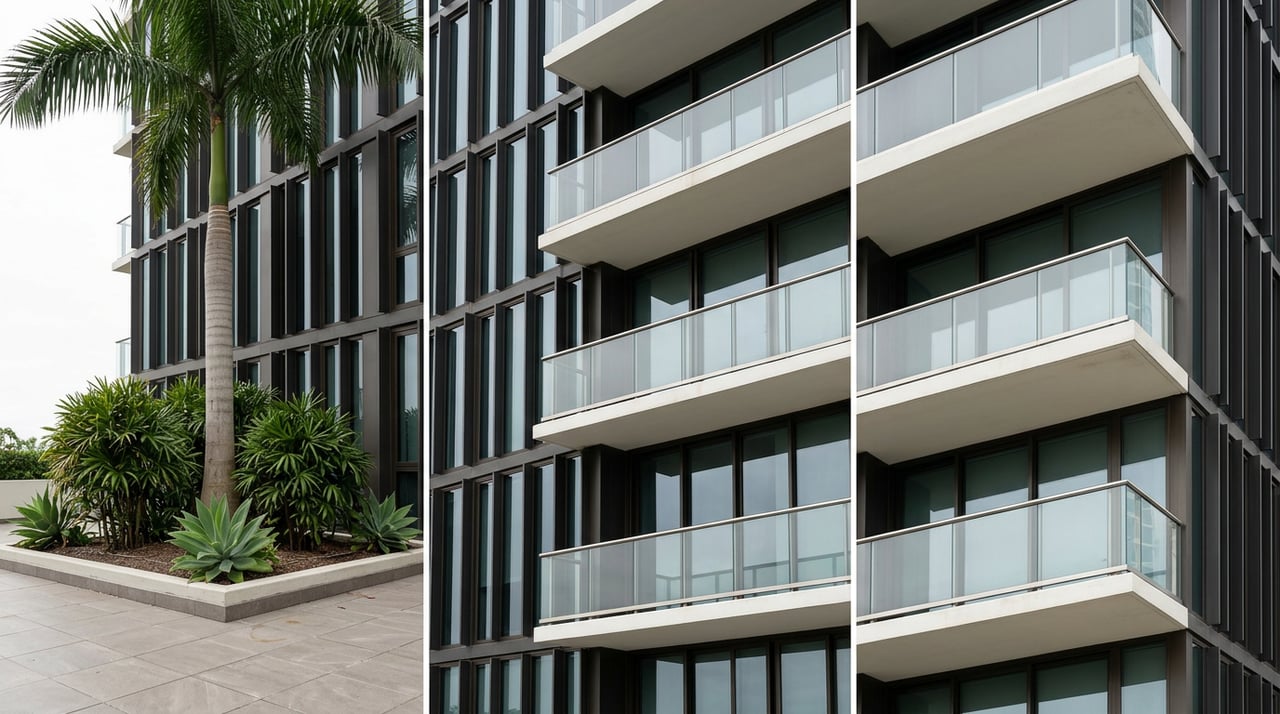
Which Downtown Tampa condo carries more exposure to Florida's reserve law right now: SkyPoint, the glass tower at 777 N Ashley Dr that opened its doors in 2007, or the 42-story building that just topped out a few blocks away? Most buyers touring both this summer would bet on the older one. They'd be wrong to bet at all. Both buildings answer to the same section of Florida law, on the same timeline, for a reason that has nothing to do with when either was built.
That's the detail Downtown Tampa condo shoppers keep missing in 2026. The state's reserve-funding law doesn't measure a building's age. It measures its height.
Two Different Laws, One Common Mix-Up
Florida passed its post-Surfside condo reforms in two separate pieces, and buyers routinely fold them into one. They aren't the same rule, and the difference decides whether a building you're considering is already exposed to today's reserve crackdown or years away from it.
| Milestone Inspection | Structural Integrity Reserve Study (SIRS) | |
|---|---|---|
| What triggers it | Building age: 30 years, or 25 if a local building official has adopted the coastal rule | Building height: three or more habitable stories, regardless of age |
| What it produces | A licensed engineer's structural safety report | A funding schedule for eight structural components |
| Governing statute | Fla. Stat. 553.899, referenced on the City of Tampa's condo recertification page | Fla. Stat. 718.112(2)(g), explained on the DBPR's condo inspections page |
| Applies to a brand-new tower? | No, not for decades | Yes, immediately |
The milestone inspection is the part everyone's heard about: an engineer walks the building looking for structural deterioration once it hits a certain age. The SIRS is the part that quietly applies to nearly every condo in Downtown Tampa right now, old or new, because the trigger is stories, not years.
Two Towers, Same Age, Same Exposure
Consider SkyPoint at 777 N Ashley Dr and Grand Central at Kennedy at 1120-1208 E Kennedy Blvd. Both opened in 2007. Both are roughly 19 years old this year, which puts them nowhere near a milestone inspection. Even under the accelerated coastal timeline, a building doesn't face its first milestone inspection until 25 years of age, and only where the local building official has chosen to apply that earlier trigger rather than the statewide 30-year default. That change came from 2024's HB 1021, which made the 25-year coastal rule optional for local governments rather than automatic. Whether Hillsborough County applies it to Downtown Tampa's riverside towers isn't something a buyer should assume either way. It's something to ask the building's association directly, because the answer determines whether SkyPoint or Grand Central faces a structural inspection in 2032 or waits until 2037.
None of that matters for the reserve question, though. Both buildings are three stories or taller, which means both are already required to have a completed SIRS on file and to be funding it in full. A building that looks nineteen years young from the lobby can carry the exact same reserve obligations as a tower built in the 1980s. The "it's basically new" instinct that feels reasonable when touring a 2007 building doesn't hold up against the statute.
The Tower Under Construction Isn't Exempt Either
If age doesn't protect a 2007 building, it certainly doesn't protect a 2026 one. ONE Tampa, the 42-story residential tower developed by Kolter Urban, reached its full height earlier this month, becoming the tallest residential building in the city at more than 519 feet. Nearly 70 percent of its 225 residences had sold before the structure even finished rising, at prices from roughly $1.27 million to more than $5.4 million. Closings aren't expected to begin until as early as July 2027.
Even a building this new, with a certificate of occupancy still more than a decade away from mattering for milestone purposes, needs a SIRS on file the moment it's organized under Chapter 718. Height is height, whether the concrete cured in 2007 or 2026. Buyers reserving units in ONE Tampa right now should expect the same reserve-funding conversation as buyers looking at SkyPoint, just without nineteen years of deferred maintenance sitting underneath it.
What the Numbers Mean When They Land
The reason this distinction matters isn't academic. Tampa-St. Petersburg-area HOA fees climbed 17.2 percent year over year, the steepest increase of any major U.S. metro, according to an analysis published in May 2026. That jump traces directly back to the reserve mandate, and its impact shows up on a monthly statement.
An industry review of completed SIRS studies found that roughly 30 percent of Florida HOA reserve funds sit below the 50-percent-funded mark, the point at which special assessments become likely rather than hypothetical. Some Tampa Bay-area buildings that previously collected $50 to $100 per unit each month in reserves now need $300 to $800 to meet the new funding schedule. Where reserves can't close the gap through dues alone, special assessments have ranged from $20,000 to more than $100,000 per unit across Florida condos going through this process.
There's a financing wrinkle too, and it catches buyers later than it should. Confirm a building's warrantable status before falling in love with a unit, not after an offer is already written.
What to Ask For Before You Write an Offer
For any Downtown Tampa condo, older or brand new, request these before you commit:
- The milestone inspection report, if the building has reached the age where one applies, and written confirmation of the certificate of occupancy date if it hasn't.
- The current SIRS, showing which structural components are covered and how funded the reserve is against that schedule.
- The association's current budget, so you can see reserve contributions in dollars rather than percentages.
- Board meeting minutes from the last six to twelve months, which usually surface a pending assessment discussion well before it becomes a formal vote.
- A written answer on pending or proposed assessments, not a verbal assurance. Keep that answer in writing, not in a hallway conversation during a showing.
None of these documents take the deal off the table if they come back with bad news. They tell you what you're actually pricing, which is different from what the listing photos are pricing.
Common Questions
Does a brand-new Downtown Tampa condo need a reserve study? Yes. The SIRS requirement applies to any condominium or cooperative building three or more habitable stories tall, regardless of when it was built. A tower finished this year needs one just as much as a tower from 2007.
If a building hasn't had a milestone inspection yet, does that mean it's financially fine? Not necessarily. The milestone inspection and the SIRS answer different questions. A building can be decades away from its first structural inspection and still be behind on reserve funding, since the funding requirement doesn't wait for age.
How do I find out if a specific Downtown Tampa building has completed its milestone inspection? The City of Tampa maintains a searchable condo recertification program page where inspection status can be confirmed by address.
Buying or selling a Downtown Tampa condo in 2026 means pricing the building alongside the unit, not after it. If you're weighing a specific address against what its reserve position, financing status, or assessment history actually looks like, Phillip Ochoa can walk through the documents with you before you write an offer or accept one.
This article is general information, not legal, tax or financial advice. Consult a qualified professional about your situation.