Thinking about buying a condo in Downtown Tampa? You’re not alone. The core neighborhoods around Water Street, the Riverwalk, Channelside, and Harbour Island have added new buildings, vibrant amenities, and a lifestyle that trades yard work for walkability. In this guide, you’ll learn real pricing norms, how HOAs and new Florida rules affect your costs, what to check before you write an offer, and how to finance a condo the smart way. Let’s dive in.
Market snapshot
Price bands to expect
You’ll commonly find entry-level studios and smaller one-bedrooms under roughly $300k. The mid-market sits around $300k to $900k with a wide range of sizes, views, and building ages. The luxury tier starts near $1M, and ultra-luxury penthouses or branded residences can exceed $2M to $5M. Your price will move with building reputation, view corridor, floor height, and level of renovation.
Sold vs listing medians
Different sites report pricing differently. Listing medians can skew higher because a handful of top-tier offerings sit on the market. Sold-price medians better reflect what buyers are actually paying right now. Use recent solds to anchor your strategy and treat listing medians as a view of the asking-price spectrum.
Dollars per square foot and inventory
Price per square foot varies by building and view. Older non-waterfront towers typically show lower $/ft², while new luxury towers and bay-view stacks command a premium. Inventory has been higher than the 2020 to 2022 period, which can create more negotiation room on many resales.
Where to shop
Downtown Tampa’s condo choices cluster in several walkable districts. Water Street is the most visible recent redevelopment, bringing new mixed-use buildings, hospitality, and public space improvements to the urban core. For a sense of its scope, review the background on the Water Street redevelopment.
Key subareas
- Water Street and Amalie/Channelside: Newer luxury and mixed-use towers with resort-style amenities and quick access to dining and events.
- Riverwalk/Arts District: Mid- to high-rise buildings near parks, museums, and the riverfront trail network.
- Harbour Island: Limited-supply island setting with condos and townhomes near Downtown and Channelside.
- Boutique mid-rises: Smaller buildings sprinkled around the core that may trade expansive amenities for character and lower fees.
Typical building types
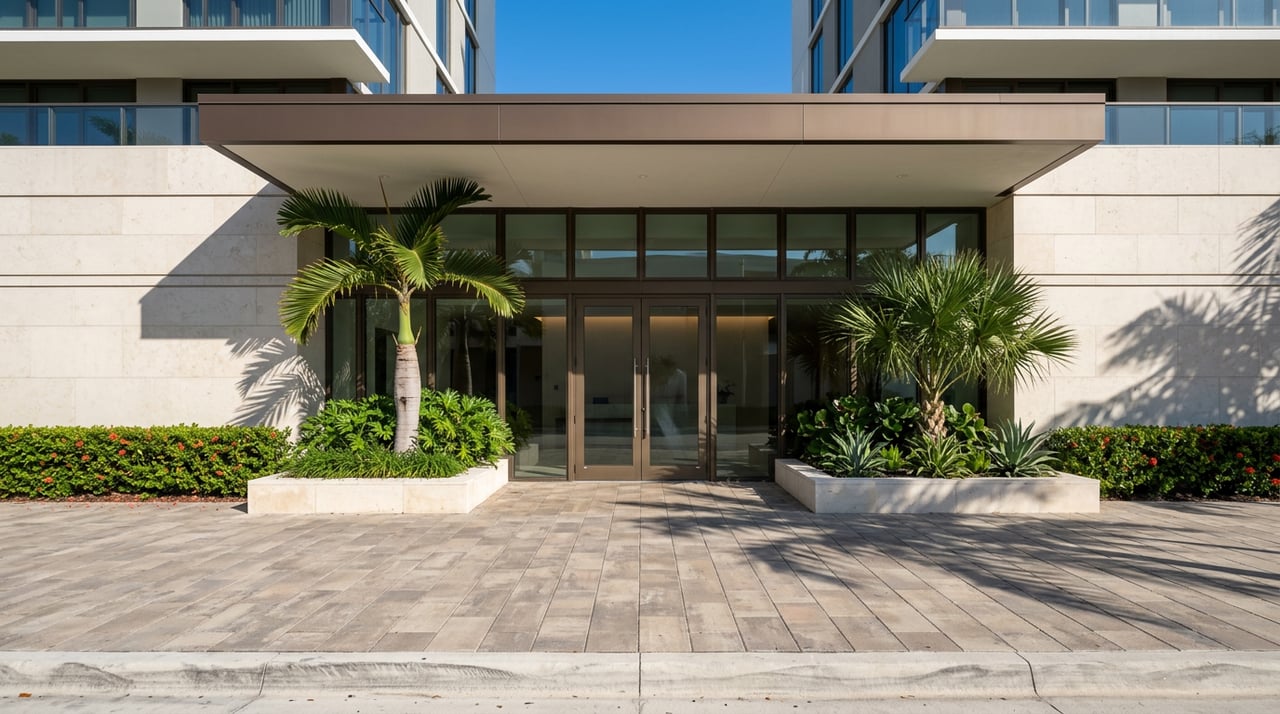
- Amenity-rich luxury towers with concierge, resort pools, and robust fitness and co-working spaces.
- Mid-market 2000s towers with solid amenities and established HOAs.
- Boutique or conversion buildings that may offer unique layouts and lower monthly costs.
- Island or island-edge product around Harbour Island and Bayshore-adjacent pockets.
HOA fees explained
Monthly HOA fees in Downtown Tampa vary widely. Many mid-2000s towers land between roughly $400 and $900 per month depending on unit size, while amenity-heavy luxury towers often exceed $1,000 per month. Ultra-luxury and branded residences can be much higher. Expect fees to reflect the building’s staffing level, amenity package, insurance costs, and reserve funding.
Main cost drivers:
- Staffing and concierge or 24/7 front desk
- Amenity operations and upkeep
- Master insurance premiums and deductible structure
- Reserve funding and required structural reserves
- Capital projects or special assessments
For background on association responsibilities and owner obligations, see Florida’s condominium FAQs from the state regulator: Florida condominium FAQs.
Florida condo rules to know
Florida now requires Milestone structural inspections and Structural Integrity Reserve Studies for many multi-story condominium buildings. Associations must adhere to specific timelines, and if a Milestone Phase 2 report finds substantial structural deterioration, repairs are typically required within set timeframes. Reserve funding for structural elements identified in the SIRS is not waivable, which is a key reason some buildings have increased fees or levied special assessments. Get familiar with the state’s explanations in the Florida condominium FAQs and this summary of Milestone inspection requirements.
The association’s insurance duties are governed by statute. The HOA usually insures the building and common elements, while you cover interior finishes and contents with an HO-6 policy. Large wind or hurricane deductibles are common, and associations may levy assessments after major events. Review the statute on association insurance responsibilities and confirm coverage details during due diligence.
Parking and transit
Many Downtown Tampa condos include deeded or assigned garage parking, but not all do. Always verify whether a space is included with the unit. If not, you may need to rent a separate space or use a municipal garage. The City of Tampa posts current information on parking garage rates and passes.
Downtown offers strong walkability, bike routes, and transit options, including the streetcar and HART bus corridors. If you plan to rely on transit, check route frequency and your commute times at your typical travel hours.
Flood and insurance
Parts of Downtown Tampa sit near the bay and low-lying waterfront, and flood zones vary block by block. Your lender may require flood insurance if the building or unit lies within a Special Flood Hazard Area. Even outside the FEMA SFHA, tidal or stormwater issues can occur on certain blocks. Use the county’s tools to check Hillsborough flood maps and confirm whether the association carries flood coverage for the building.
On insurance, carriers and lenders pay close attention to a building’s reserve strength, inspection reports, and maintenance history. A condo with weak reserves, major pending repairs, or large litigation can be harder to insure or finance. Work with a knowledgeable agent early and review guidance on condo association insurance in Florida.
Financing a condo
Condo financing hinges on project eligibility. Lenders review the association’s financials, reserves, owner-occupancy ratios, litigation, and more. FHA, VA, and conventional agencies have specific requirements, and some buildings may not qualify for certain loan types. Ask lenders early about eligibility and whether the project appears to meet agency standards. For a quick overview of what lenders look for, review Fannie Mae’s condo and co-op project requirements.
If a building does not meet agency criteria, financing may require portfolio or jumbo options, or in some cases, cash. This can narrow the buyer pool and should inform your offer strategy and exit plans.
Due diligence checklist
Before you offer, gather documents and answers that can make or break your deal and long-term costs. Prioritize these items:
- Association budget and recent financials. Look for reserve balances, operating deficits, and recent or pending special assessments. See the state’s condominium FAQs for context on reserve obligations.
- Structural reports. Request the Structural Integrity Reserve Study and any Milestone Inspection reports. Review timelines, Phase 2 findings, and planned repair funding. The Milestone inspection overview explains the process.
- Board minutes and litigation. Ask for 12 to 24 months of meeting minutes plus details on pending or recent litigation or major contracts.
- Master insurance declarations. Confirm building policy limits, wind/hurricane deductibles, and whether coverage is bare-walls or all-in. Review the statute on association insurance.
- Reserve funding plan. Verify how the HOA intends to fund SIRS-identified components and confirm current reserve balances.
- Rules and restrictions. Review rental and short-term rental policies, move-in procedures, pet rules, and guest parking. Florida’s local rules vary, and many towers restrict short stays; see this overview of Florida short-term rental laws for context, then confirm building documents.
- Parking rights. Confirm whether parking is deeded, assigned, or leased and check availability and backup options using the City’s parking rates and passes.
- Lender project eligibility. If you plan to use FHA, VA, or conforming financing, ask your lender to run a project review and confirm owner-occupancy and delinquency figures. For general criteria, see Fannie Mae’s condo/co-op requirements.
- Flood zone confirmation. Check FEMA and county maps and ask whether the association’s flood policy covers interiors or only common elements. Start with Hillsborough flood maps.
- Estoppel/resale certificate. Ask the seller for the most current estoppel showing balances, assessments, and fees. Confirm who pays estoppel and transfer fees in your contract.
Lifestyle trade-offs
Urban living concentrates your day-to-day near the Riverwalk, arena events, parks, and dining. You gain convenience, amenities, and less maintenance, but you often trade interior space, private outdoor areas, and pay higher monthly HOAs. Suburban options may offer more space and lower or no HOA fees, but they typically require more driving and home upkeep. Compare your total monthly cost, including mortgage, taxes, HOA, insurance, and any parking expenses, to decide what fits best.
Next steps
- Define your must-haves: budget, bedroom count, parking, pet policy, rental flexibility, and amenity level.
- Shortlist 3 to 5 buildings and request core documents upfront, including SIRS/Milestone reports and master insurance declarations.
- Ask your lender to pre-screen project eligibility while you review HOA financials and rules.
- Budget for HOA fees, possible special assessments, and flood insurance if your building or lender requires it.
If you want a focused plan tailored to your needs, connect with a local condo specialist who can spot risk factors early and line up financing that fits your target buildings. To get a clear, step-by-step path to your Downtown Tampa purchase, reach out to Phillip Ochoa.
FAQs
What are typical HOA fees for Downtown Tampa condos?
- Many mid-2000s towers range roughly $400 to $900 per month, while luxury towers often exceed $1,000. Ultra-luxury buildings can be higher, driven by staffing, amenities, insurance, and reserve requirements.
What are Florida Milestone inspections and SIRS?
- Florida requires structural Milestone inspections and Structural Integrity Reserve Studies for many multi-story condos. Findings can trigger repair deadlines and mandatory reserve funding; review the state FAQs and this Milestone overview.
Do I need flood insurance for a Downtown Tampa condo?
- It depends on your building’s flood zone and lender requirements. Check Hillsborough flood maps and verify whether the association’s flood policy covers interiors or just common elements.
How does condo financing differ from a house in Tampa?
- Lenders evaluate the condo project’s eligibility, including reserves, occupancy ratios, litigation, and insurance. Some buildings will not meet FHA, VA, or conforming standards; see Fannie Mae’s condo/co-op requirements and ask your lender to review the project early.
What HOA documents should I review before making an offer?
- Request the budget and financials, SIRS/Milestone reports, board minutes, master insurance declarations, rules and restrictions, parking rights, flood details, lender project status, and the estoppel certificate. The Florida condominium FAQs outline key association responsibilities.
What if my unit does not include a parking space?
- Confirm whether you can lease a space on-site or use a municipal garage and include that cost in your budget. Check City of Tampa parking rates and passes for current options.